Finding the Line
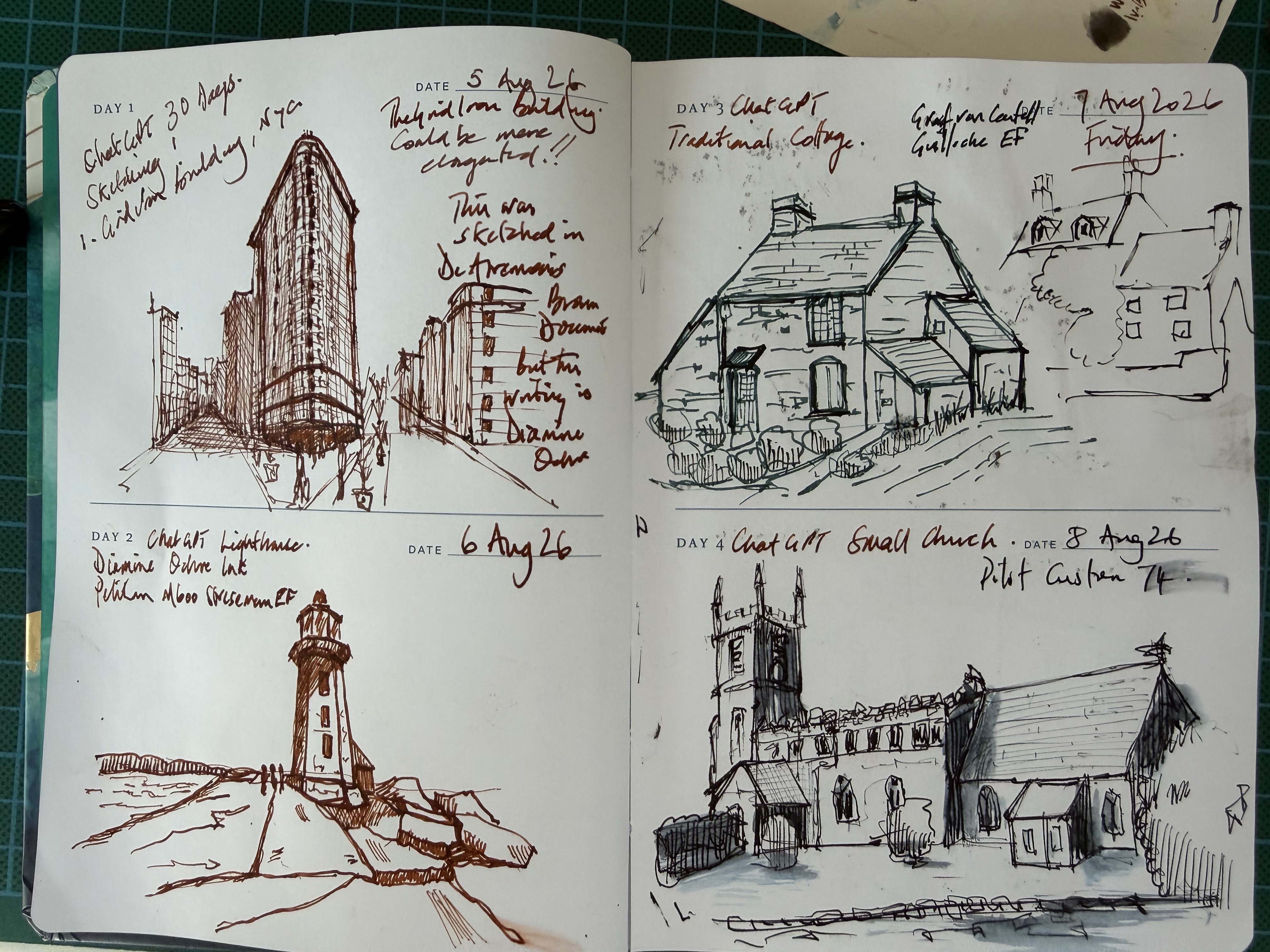
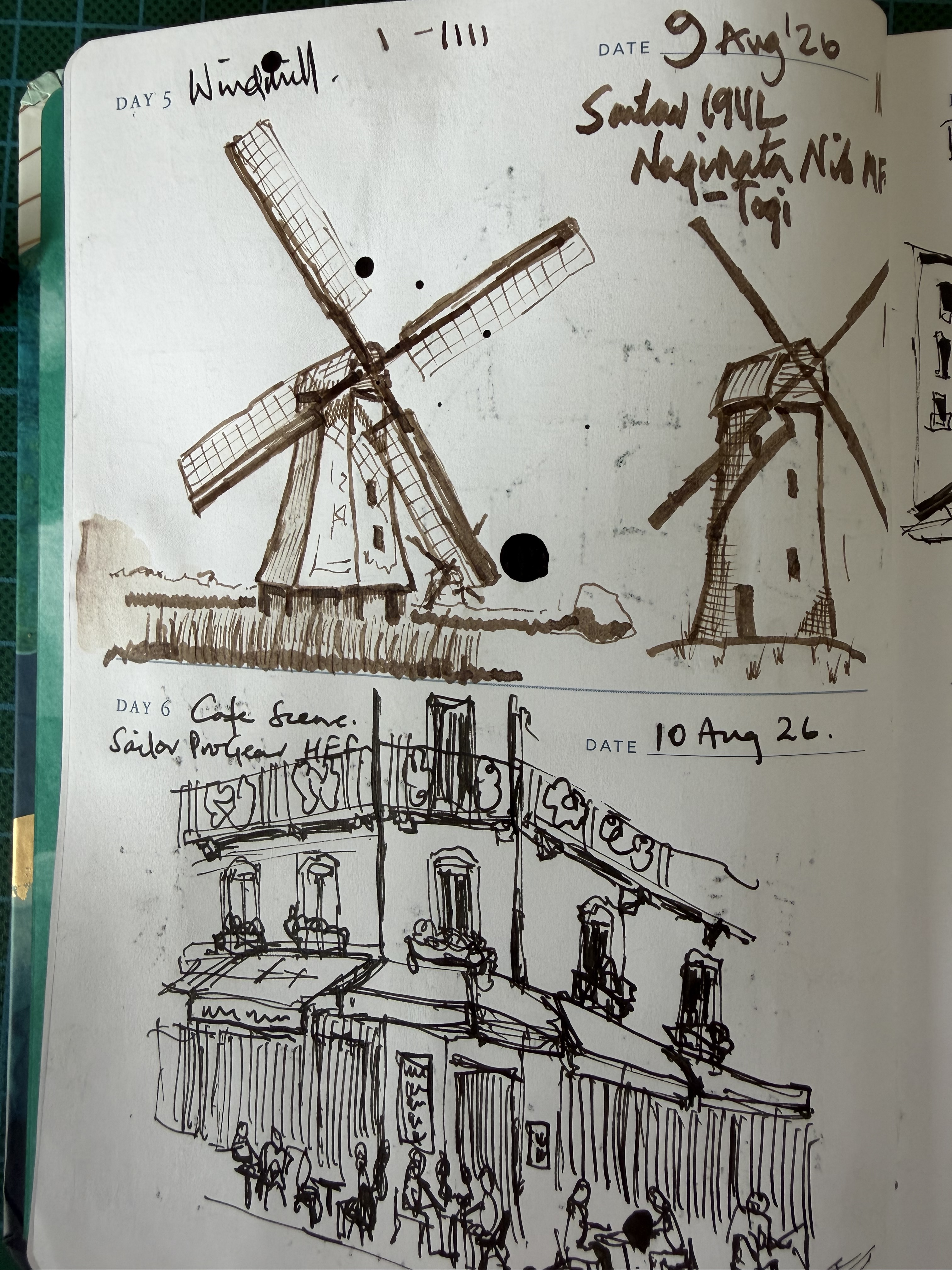
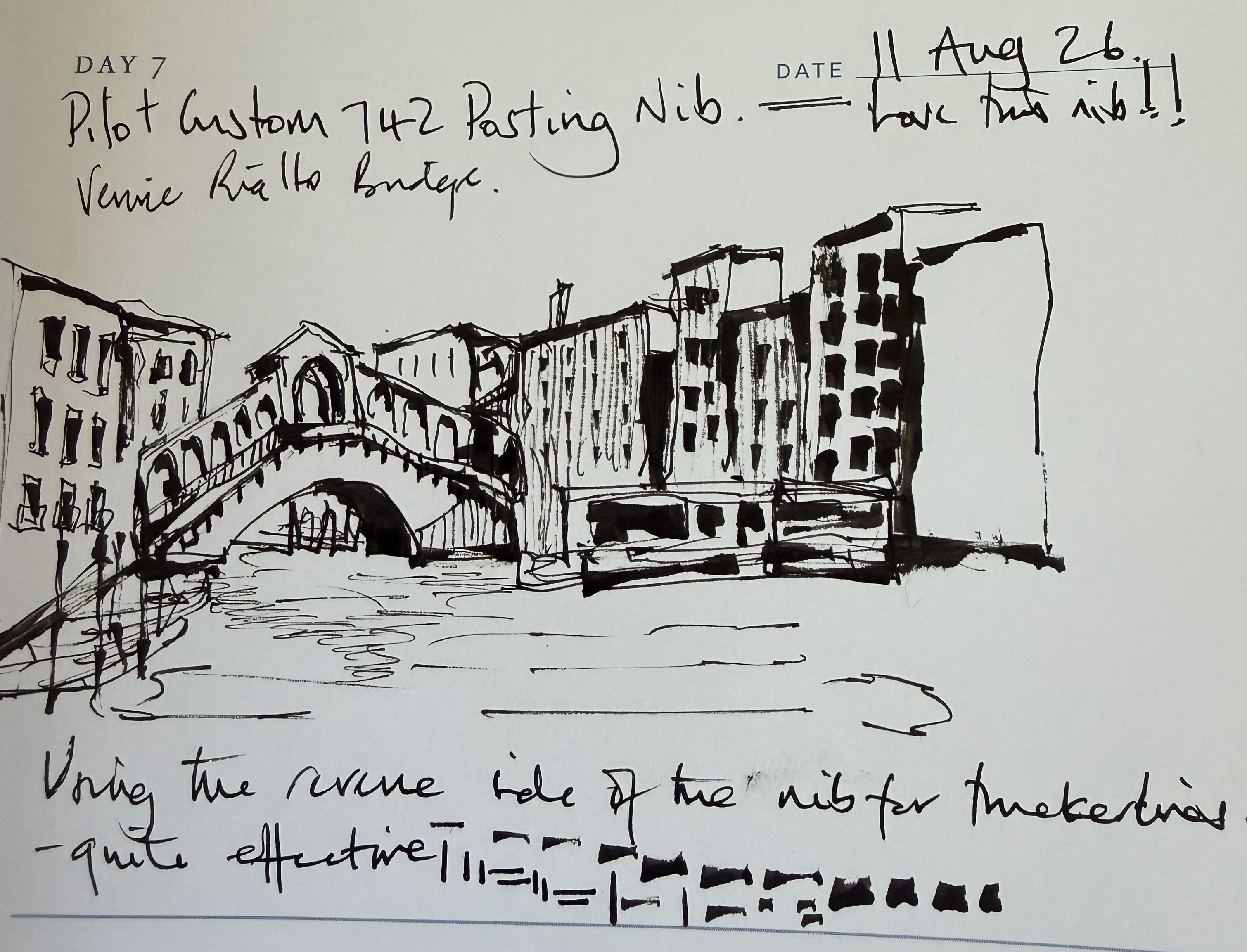
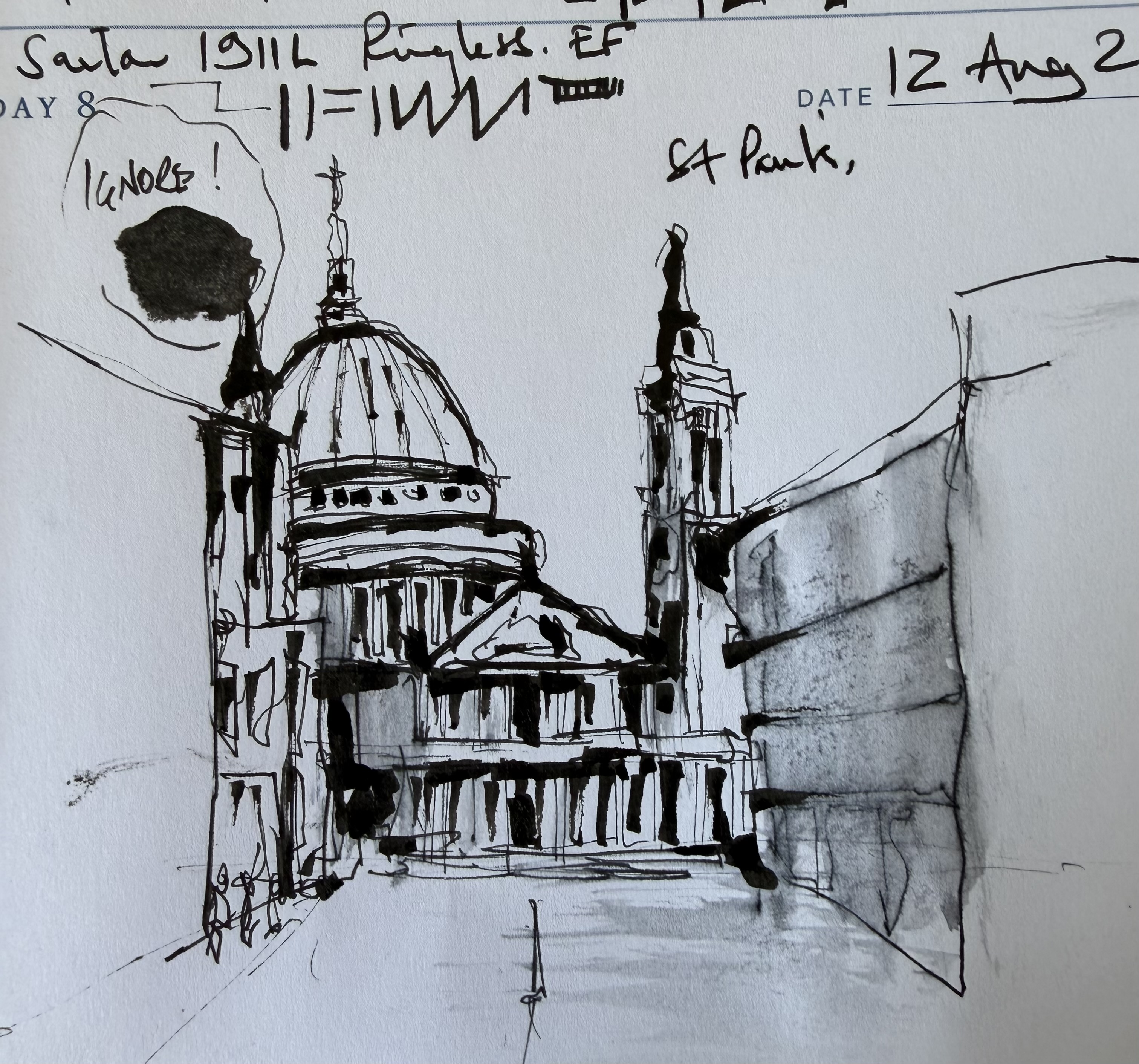
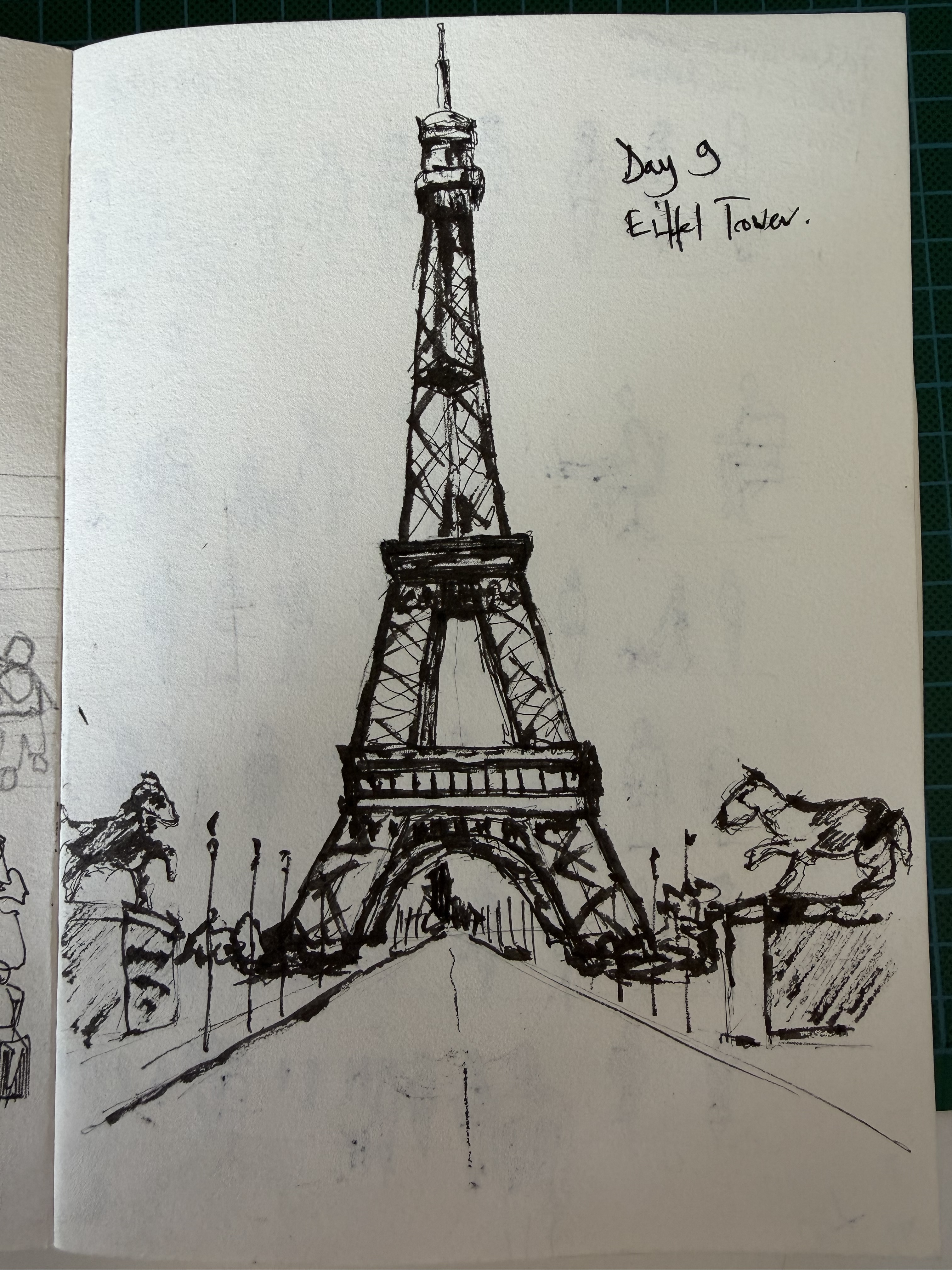
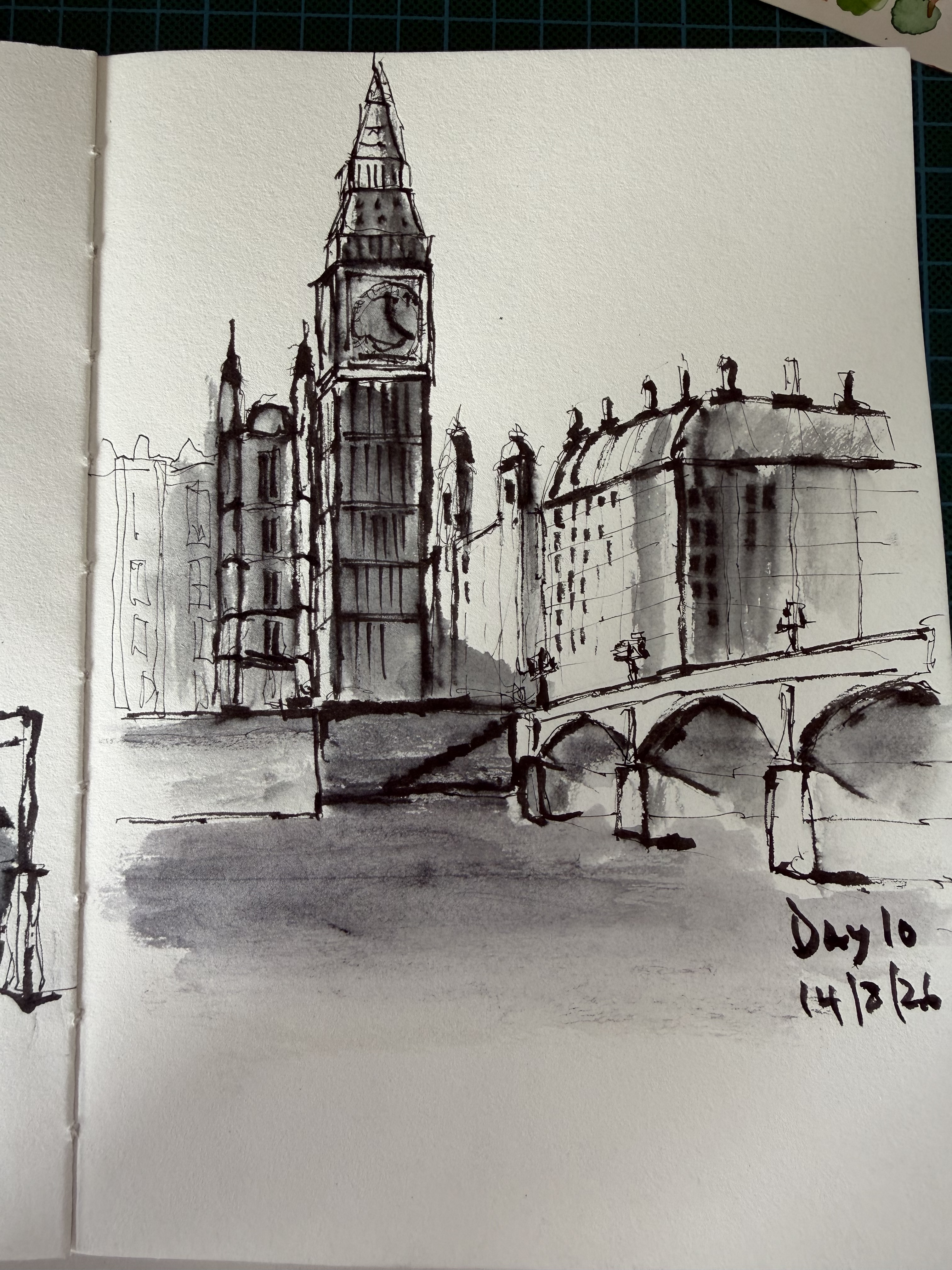
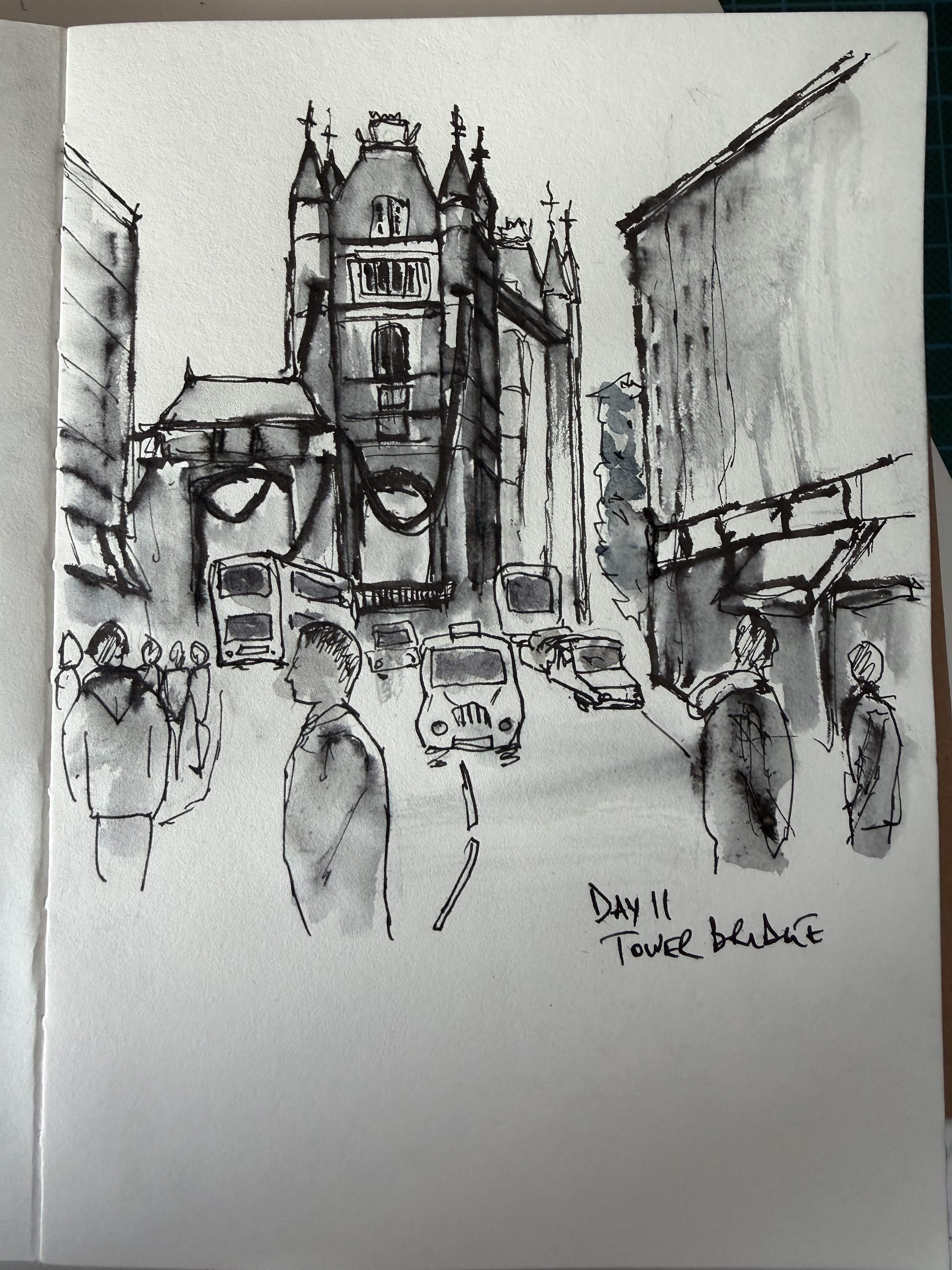
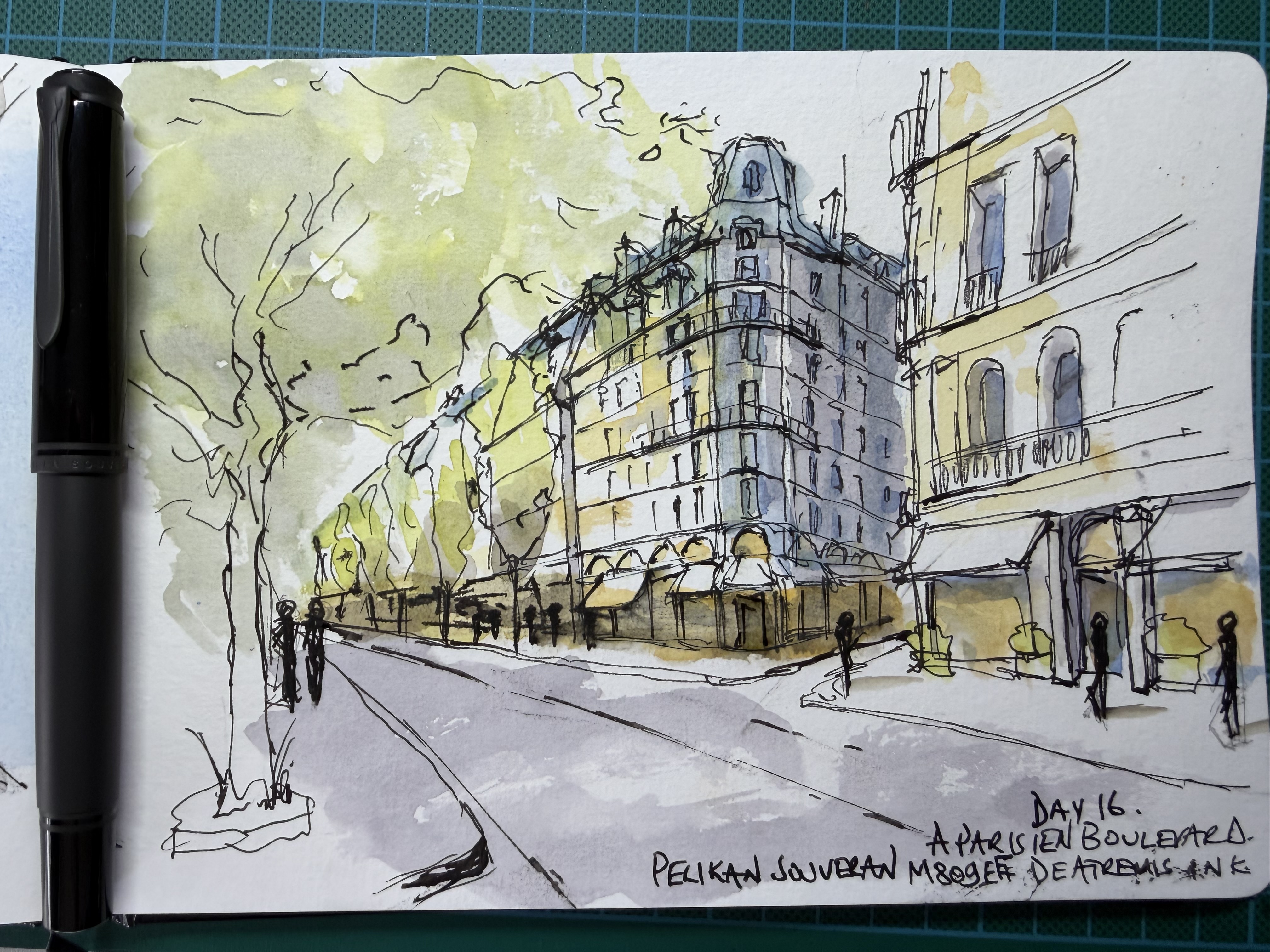
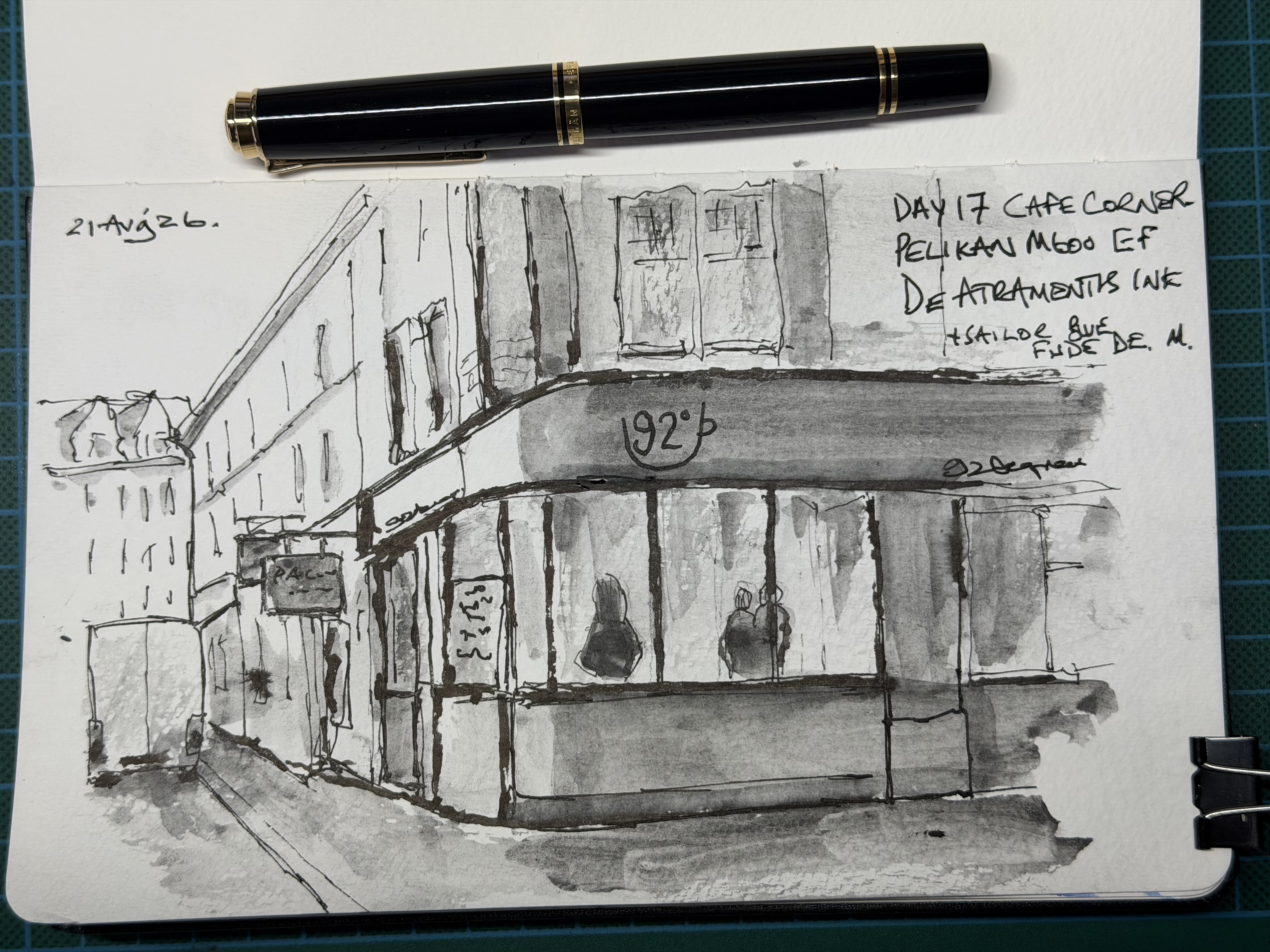
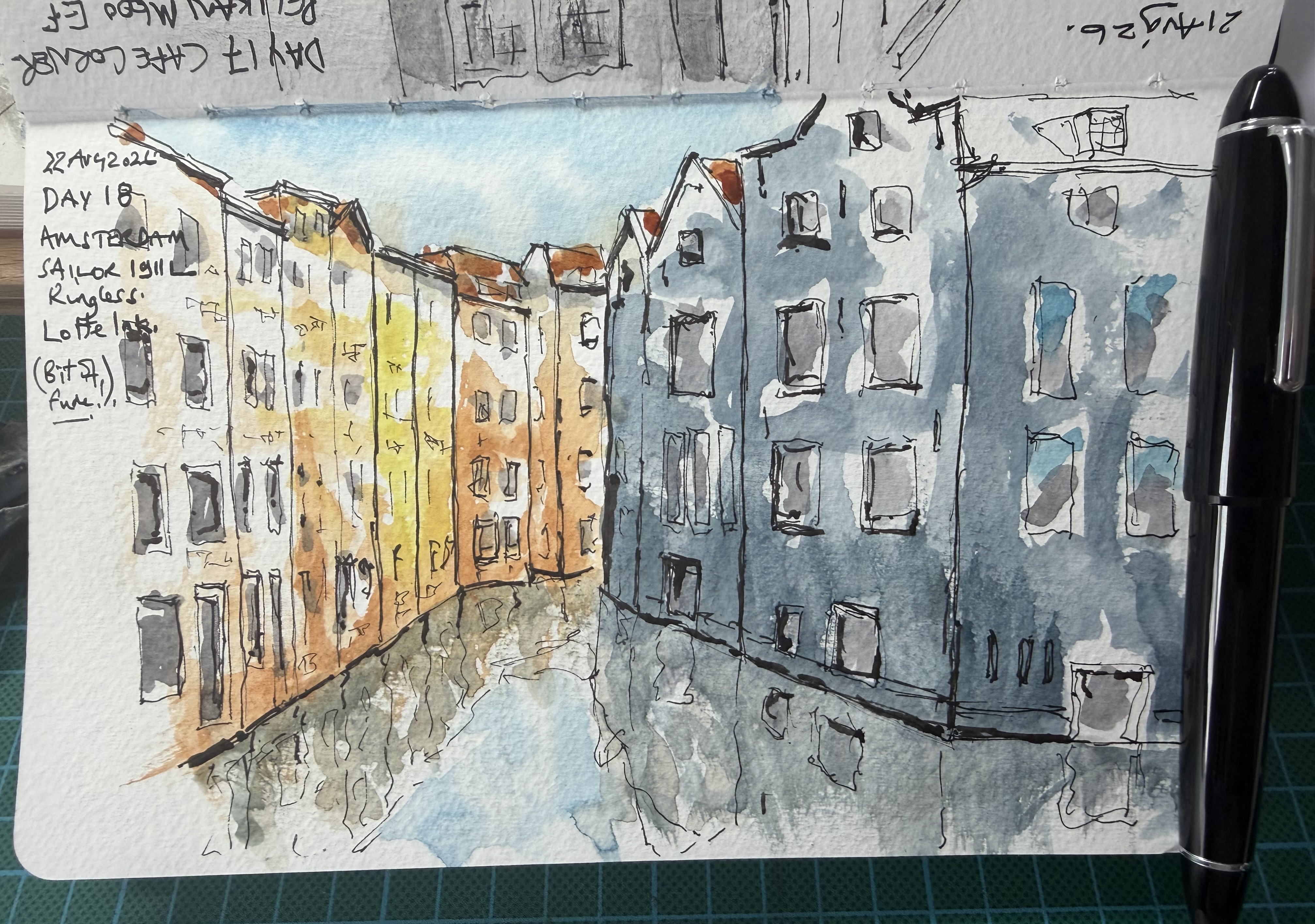
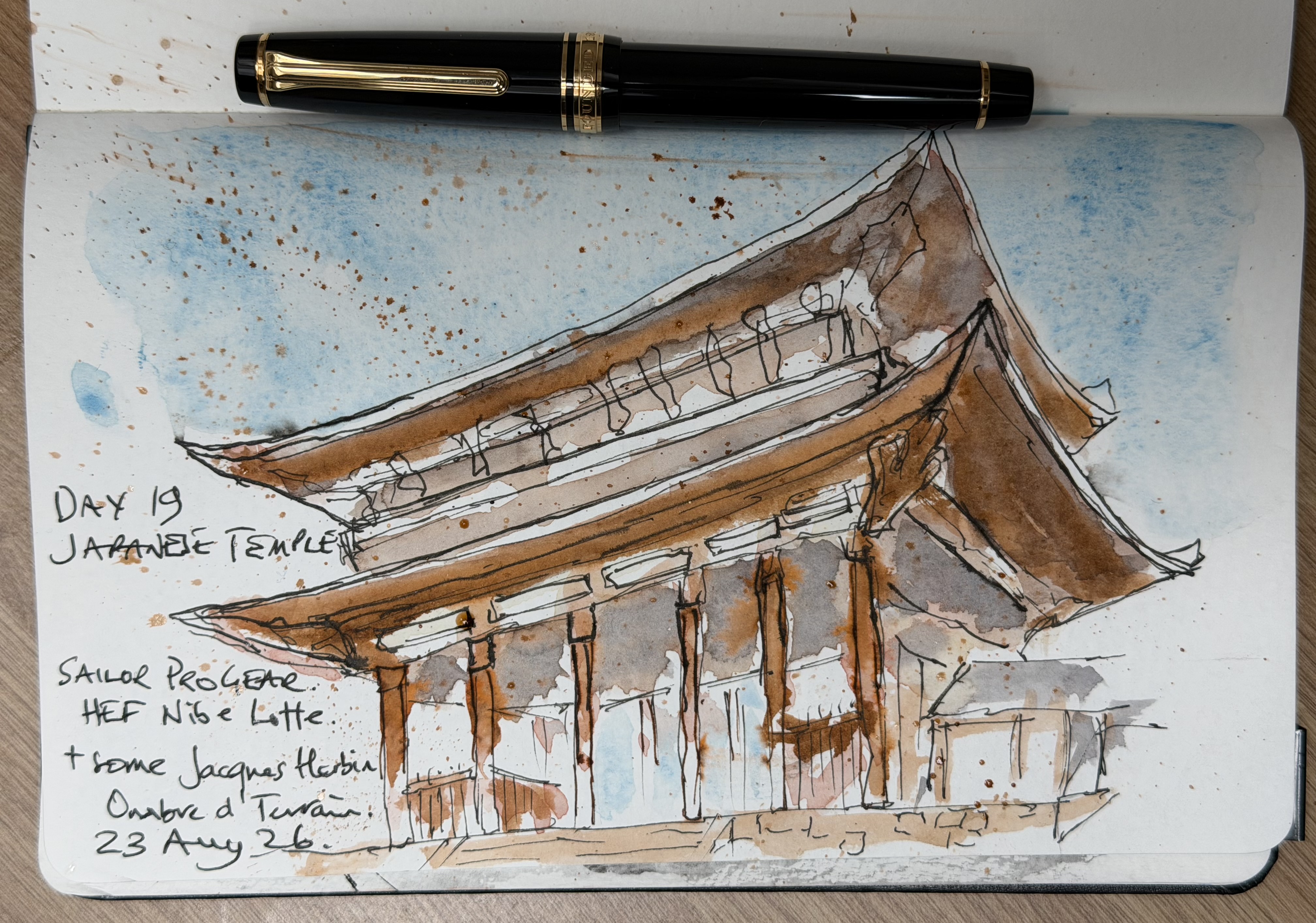
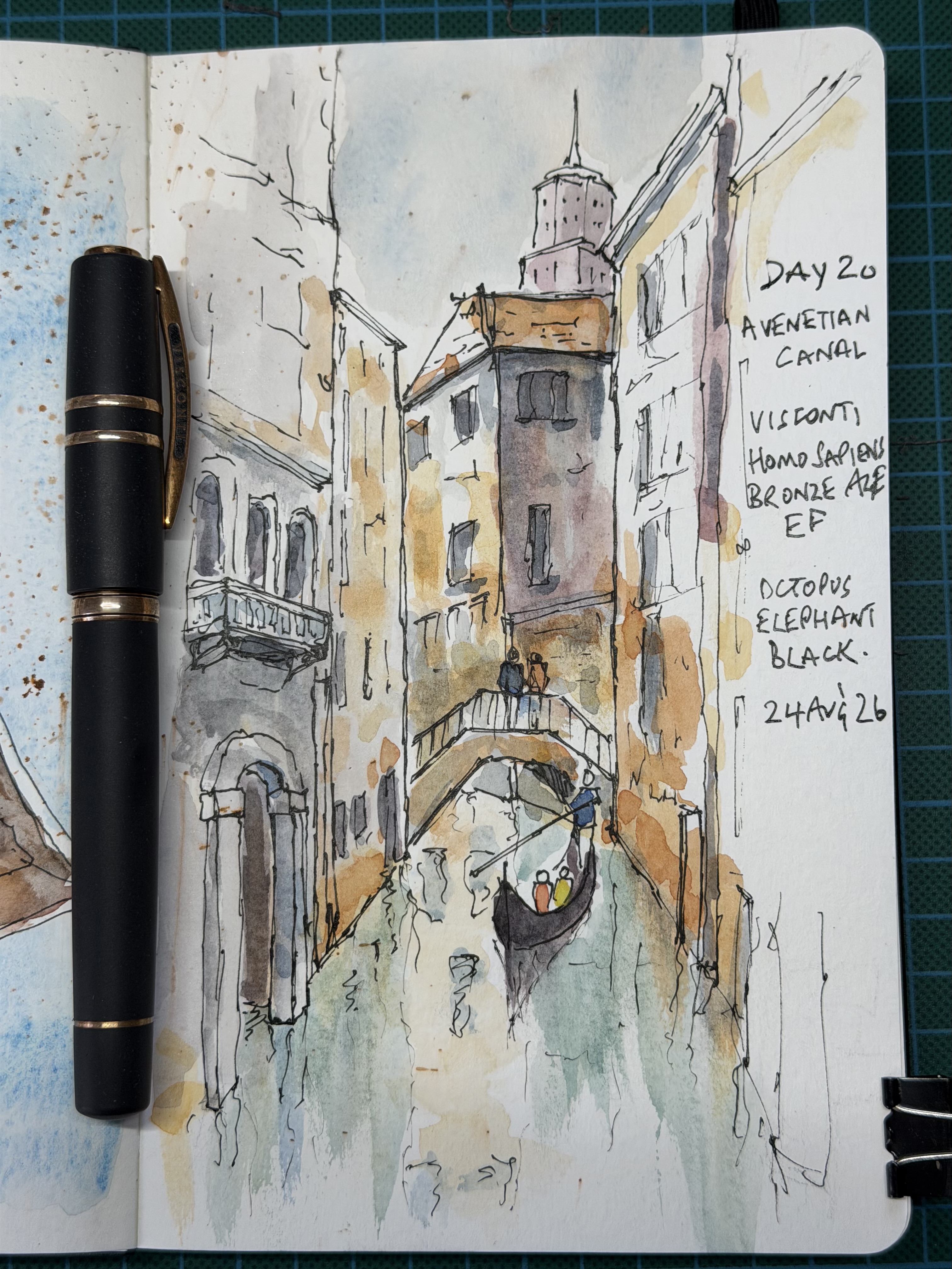
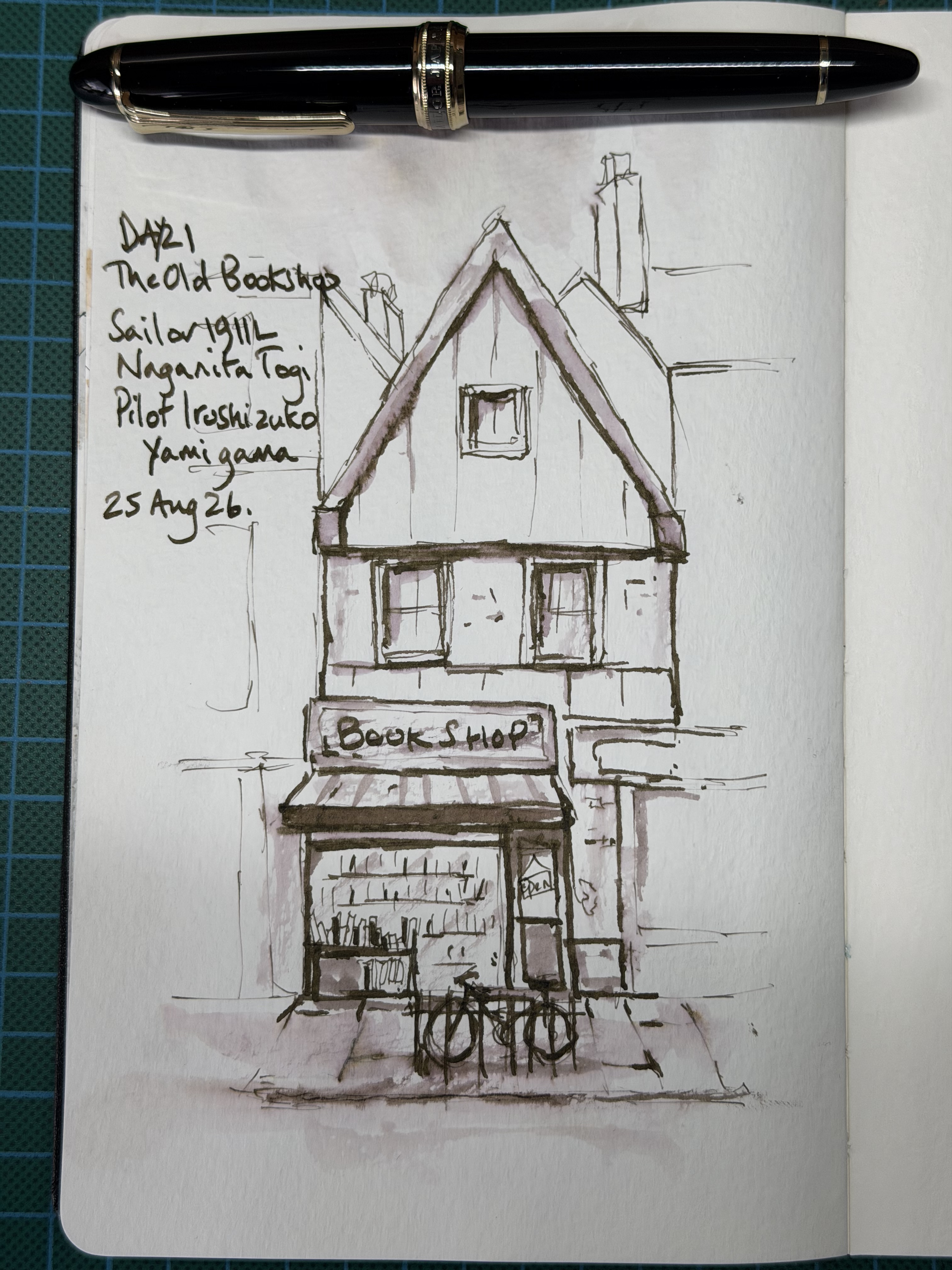
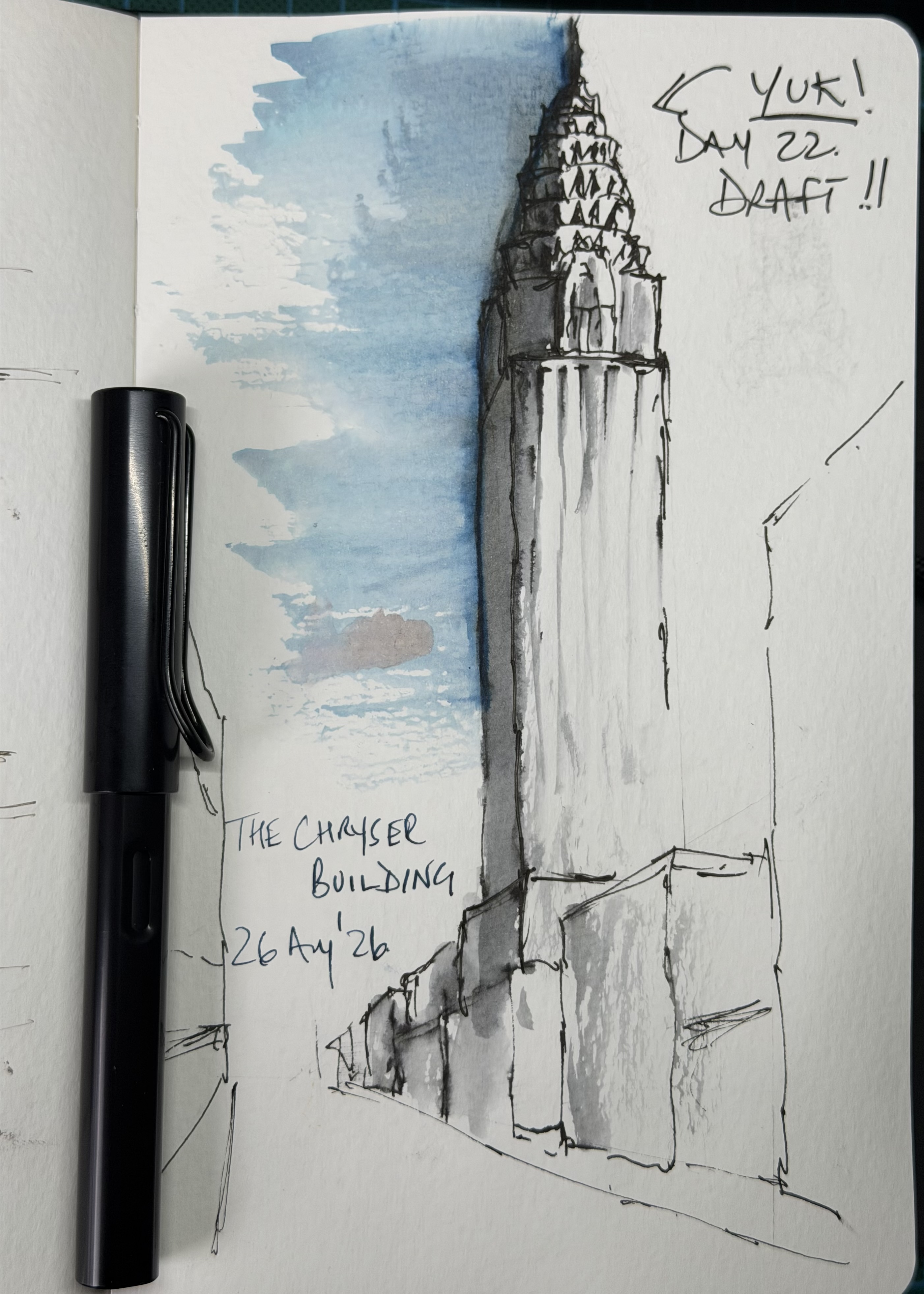
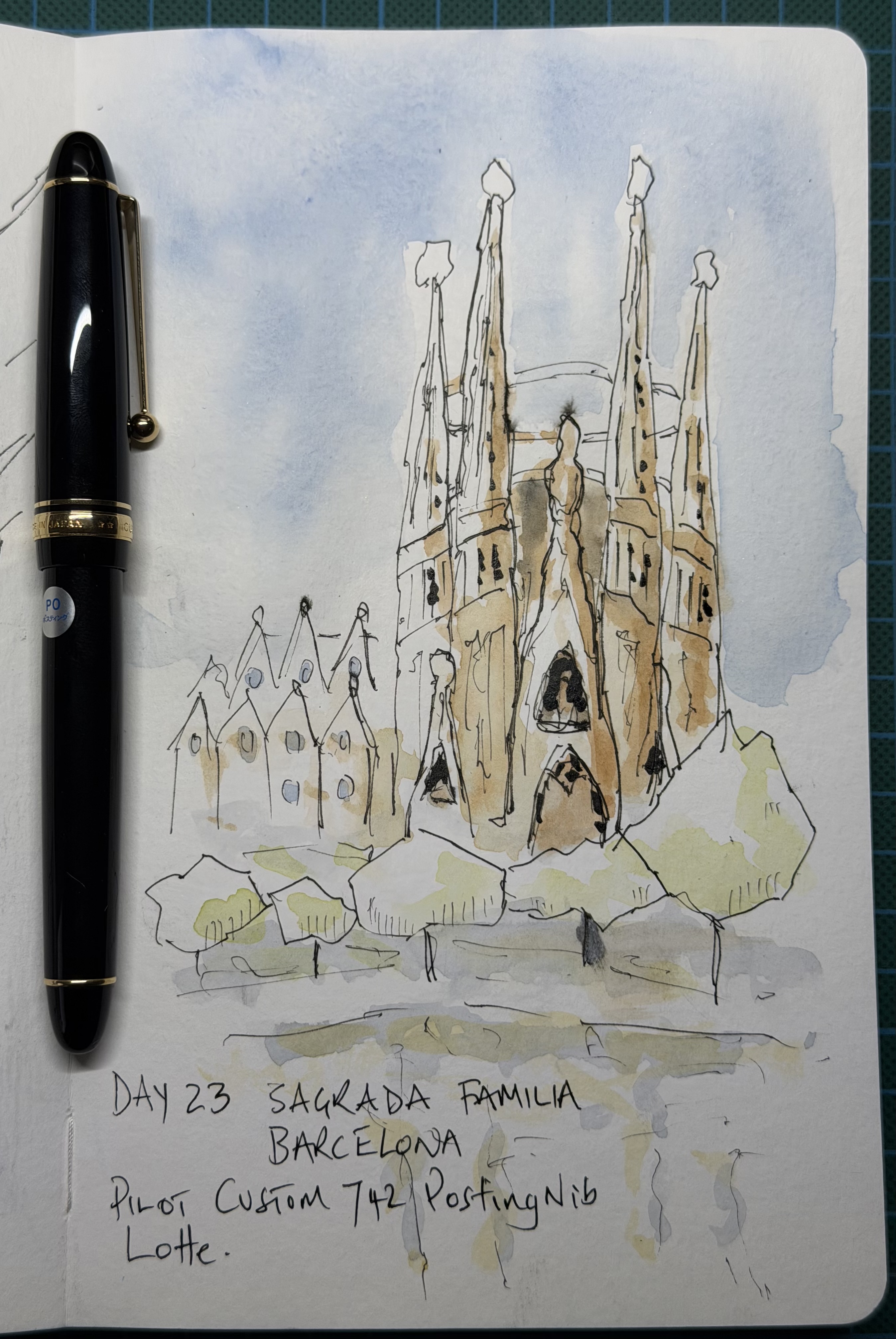
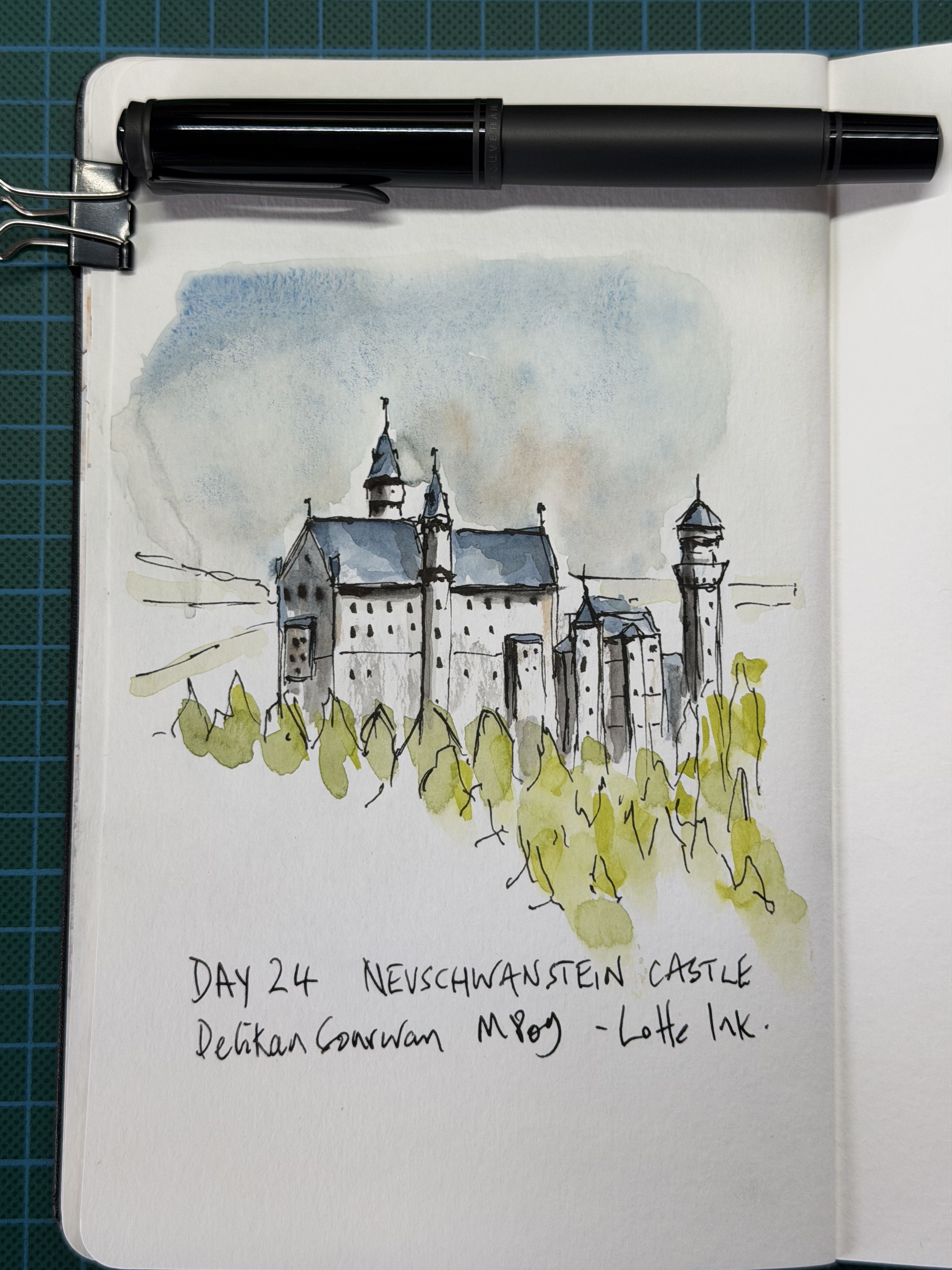
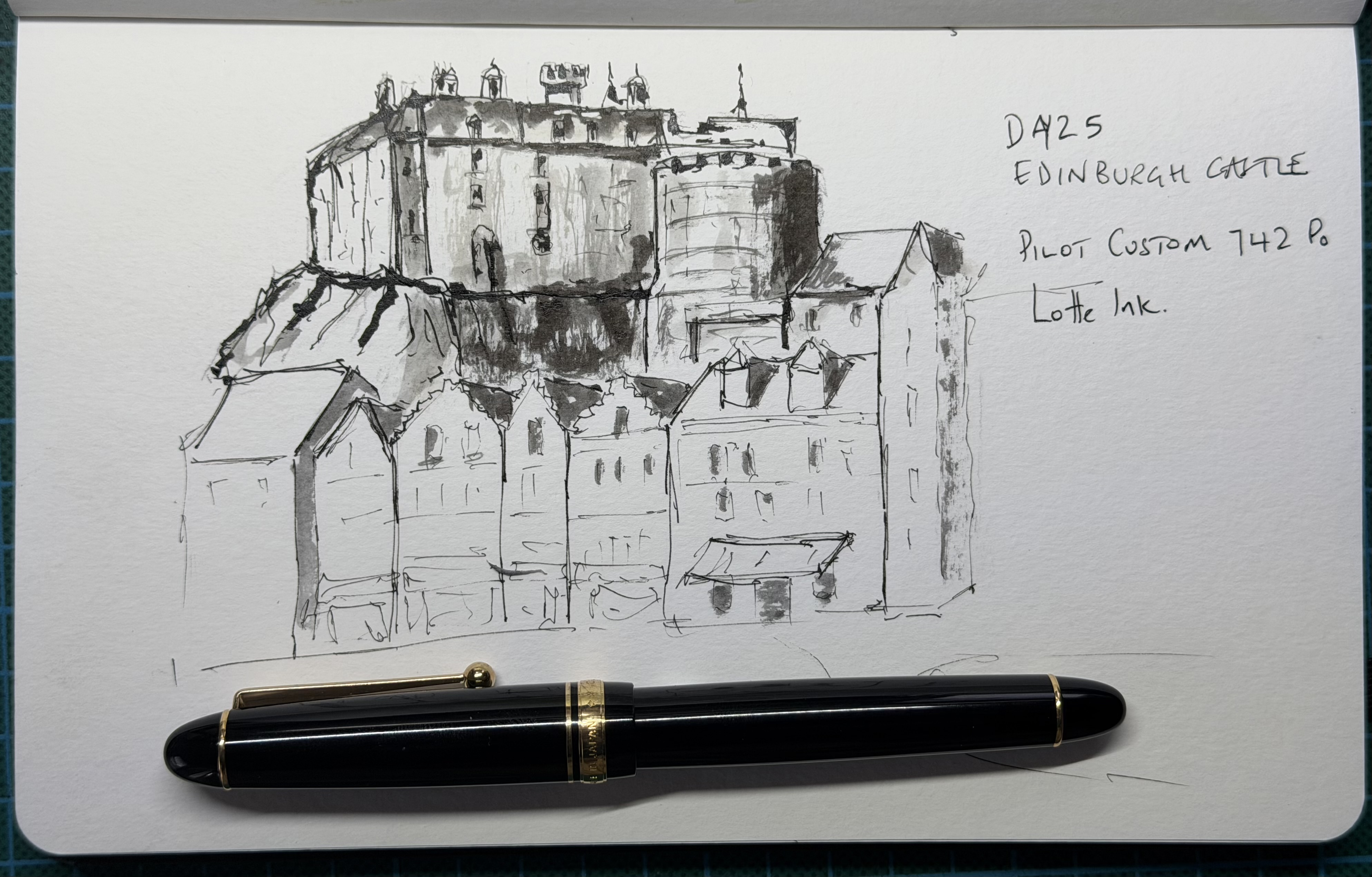
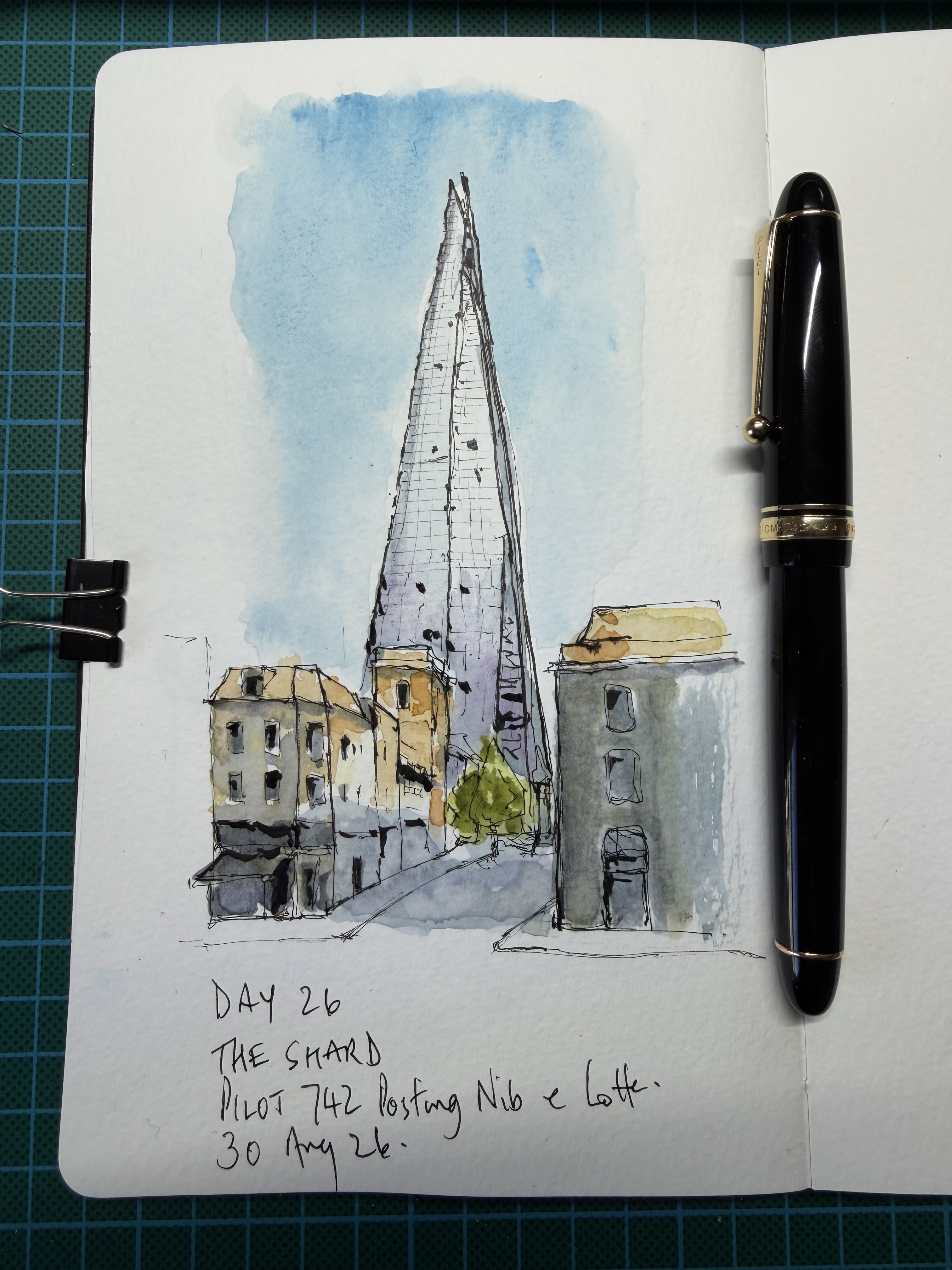
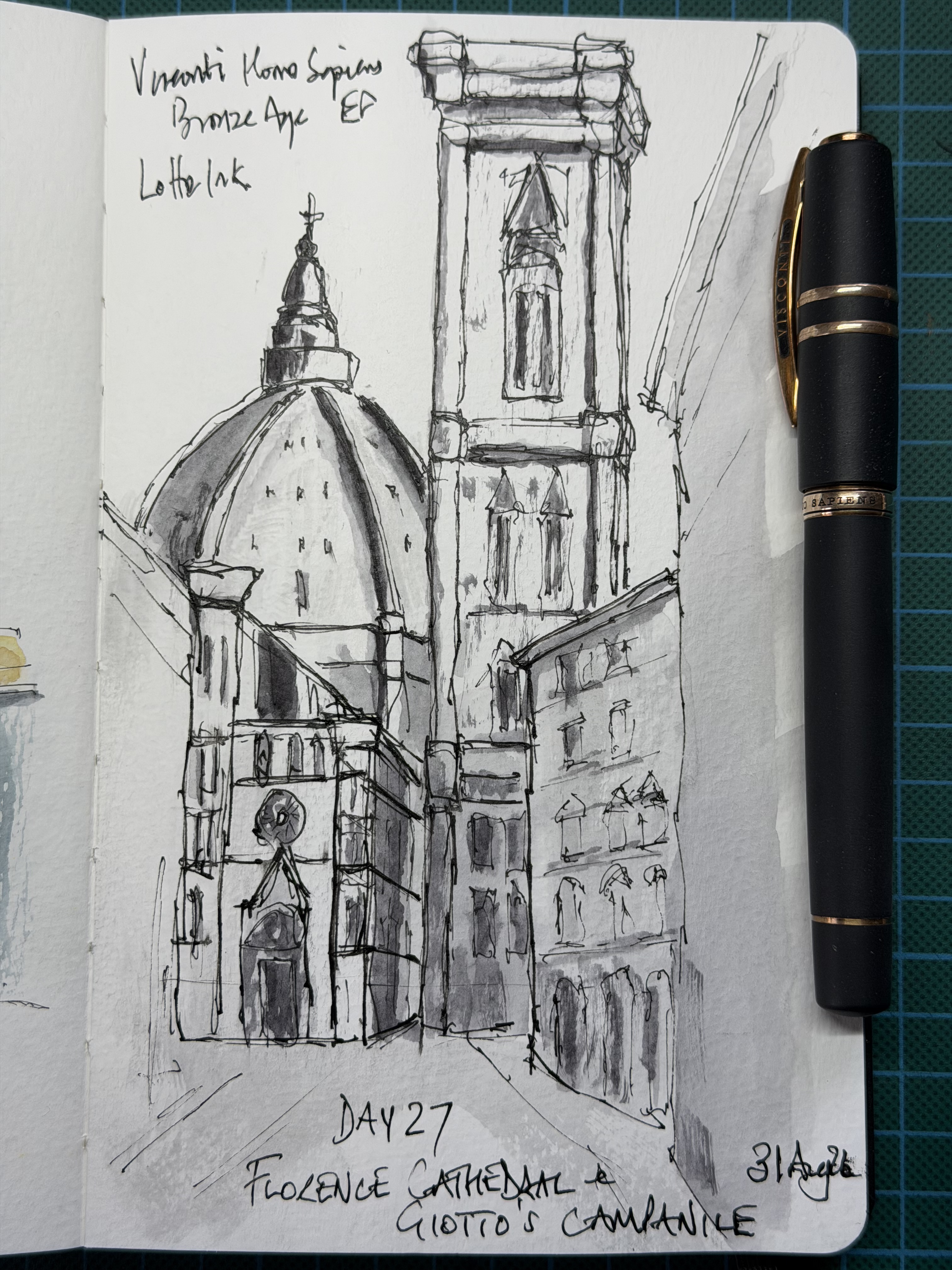
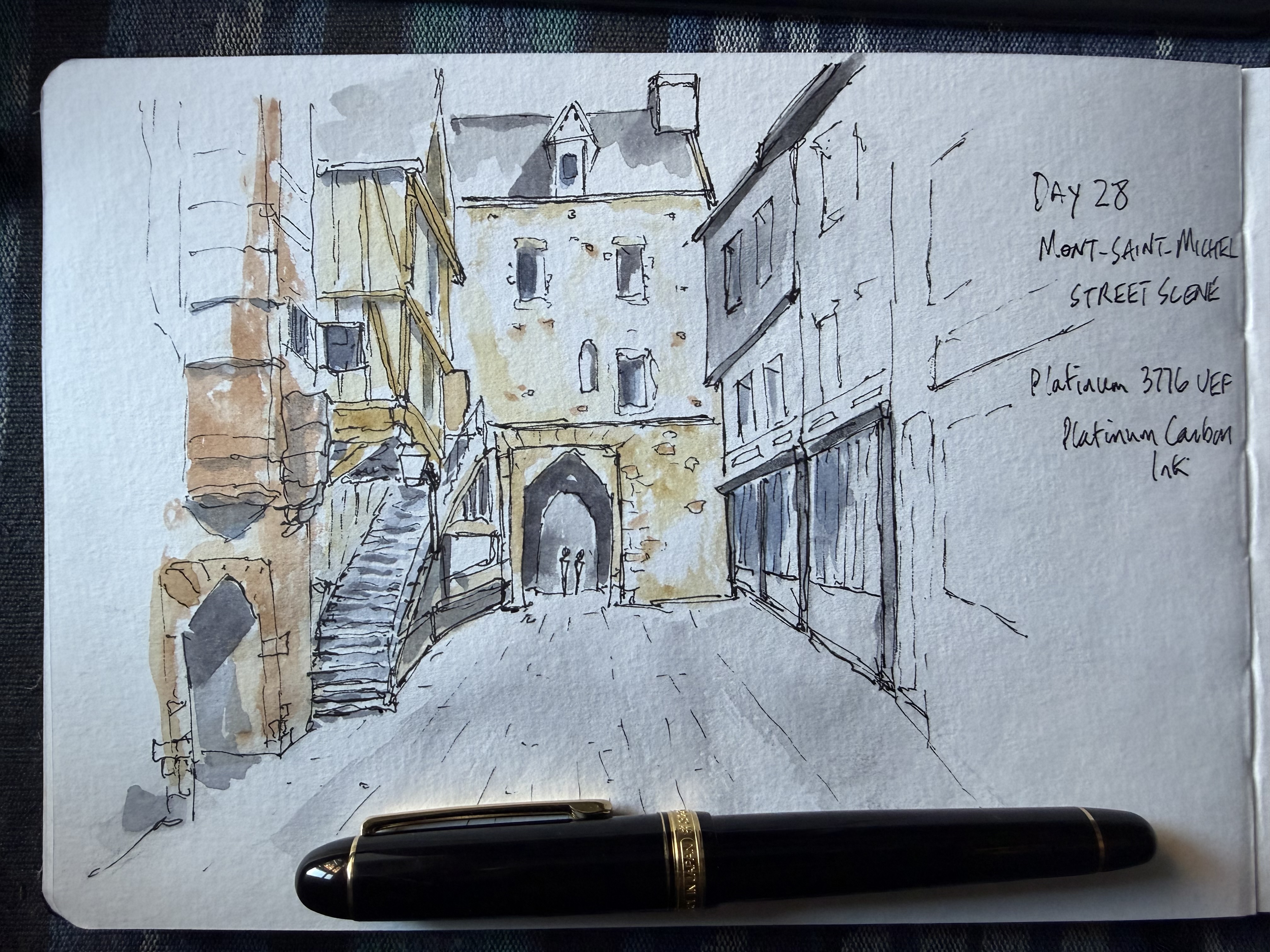
I started this challenge because I wanted to loosen up my drawing. I thought that probably meant drawing faster, using fewer lines and worrying less about accuracy. It turns out it isn’t quite that simple. Over the course of the challenge I drew buildings I would normally have avoided, used pens and nibs in ways they probably weren’t intended to be used, put down far too many bricks, discovered that adding watercolour can improve a sketch or completely overwhelm it, and spent an unreasonable amount of time wondering whether one line would have been better than three. Somewhere along the way I began to understand that looseness isn’t really about the number of lines at all. It is about confidence, variation, leaving things unfinished and learning which parts of a subject need explaining and which can simply be suggested. I am certainly not there yet, but looking back at the first drawings and comparing them with the later ones, I can see a change. More importantly, I can feel one when I draw. I am thinking less about reproducing the photograph and more about deciding what I want the sketch to say.
Explore the Challenge
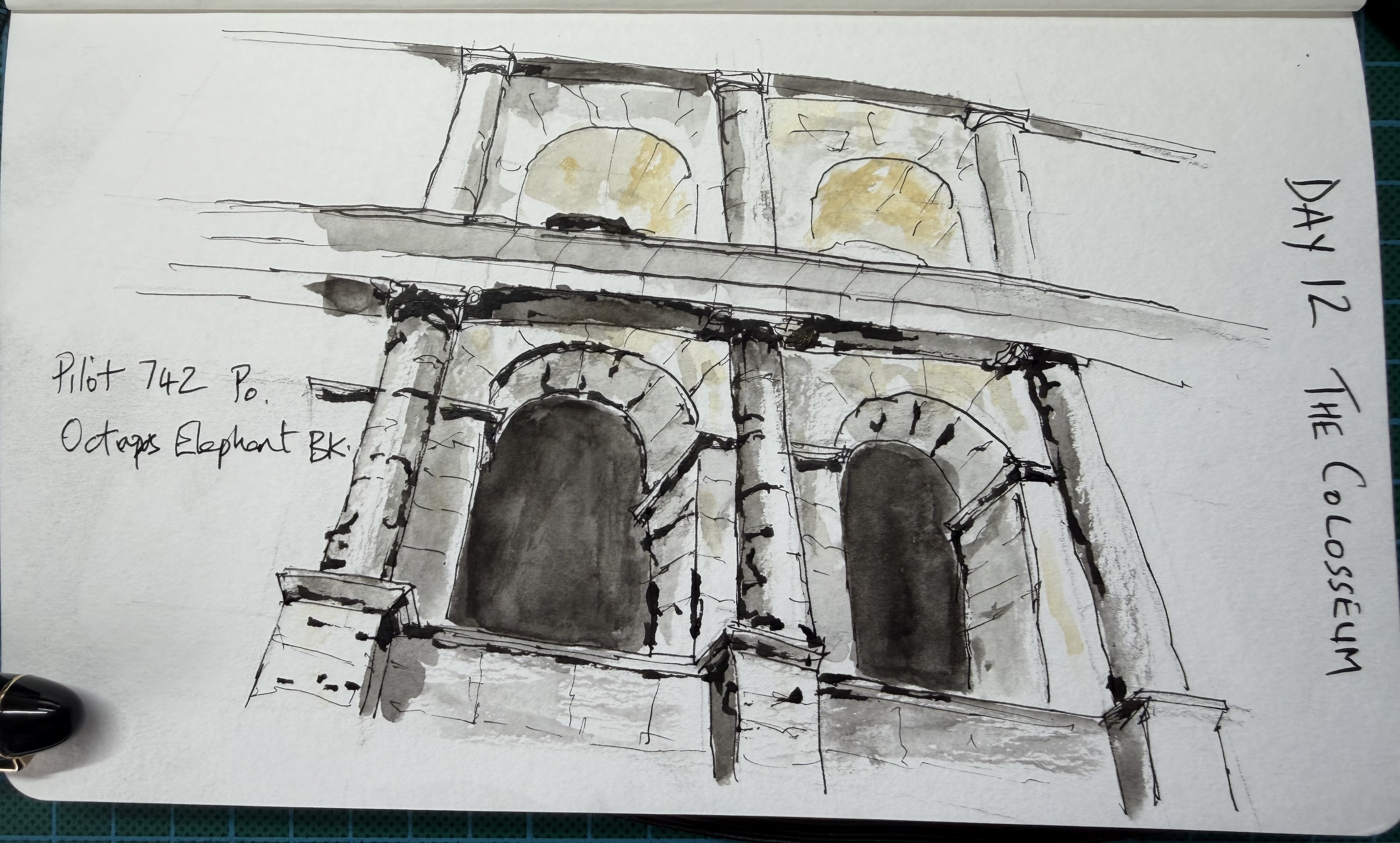
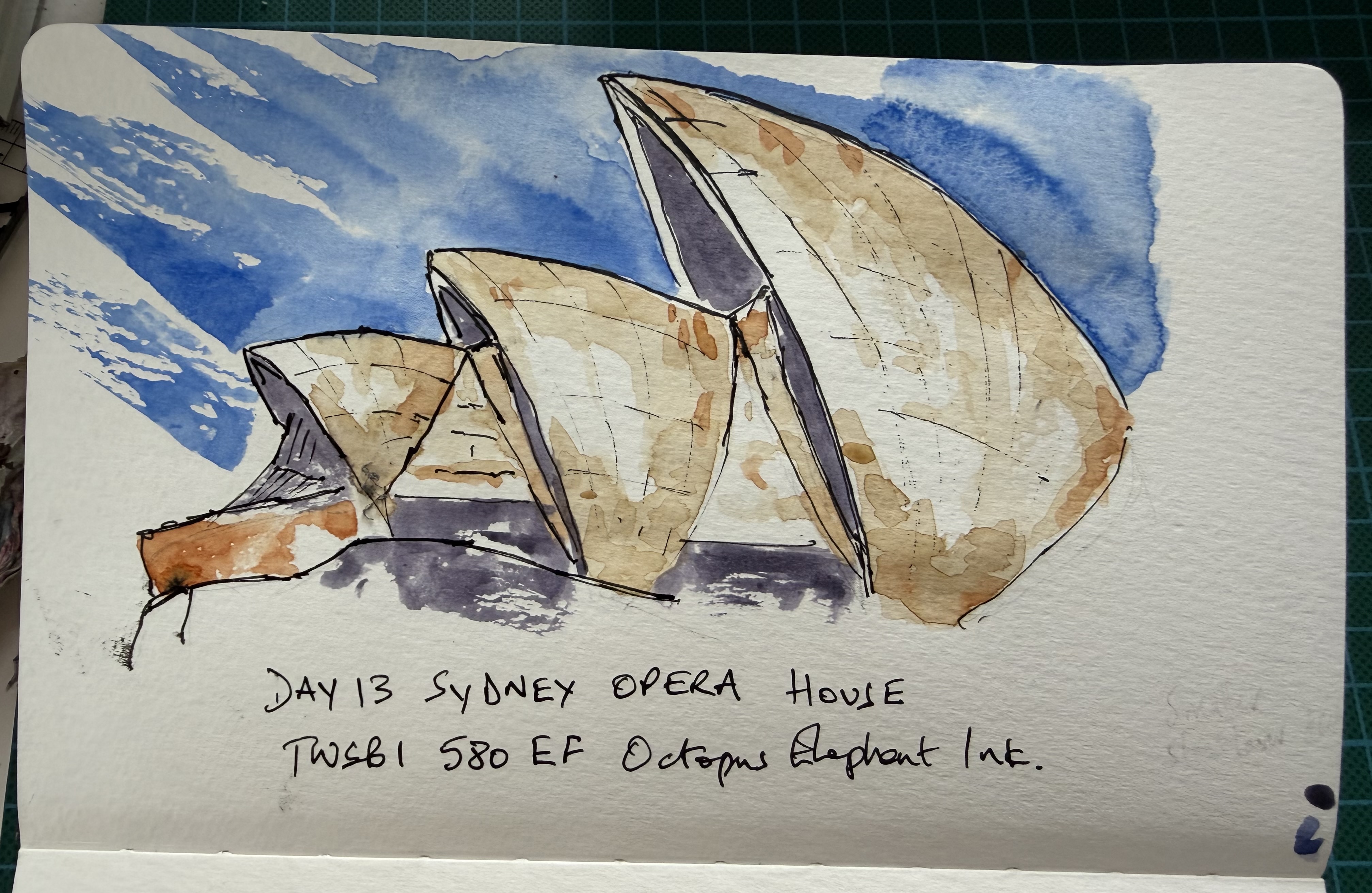
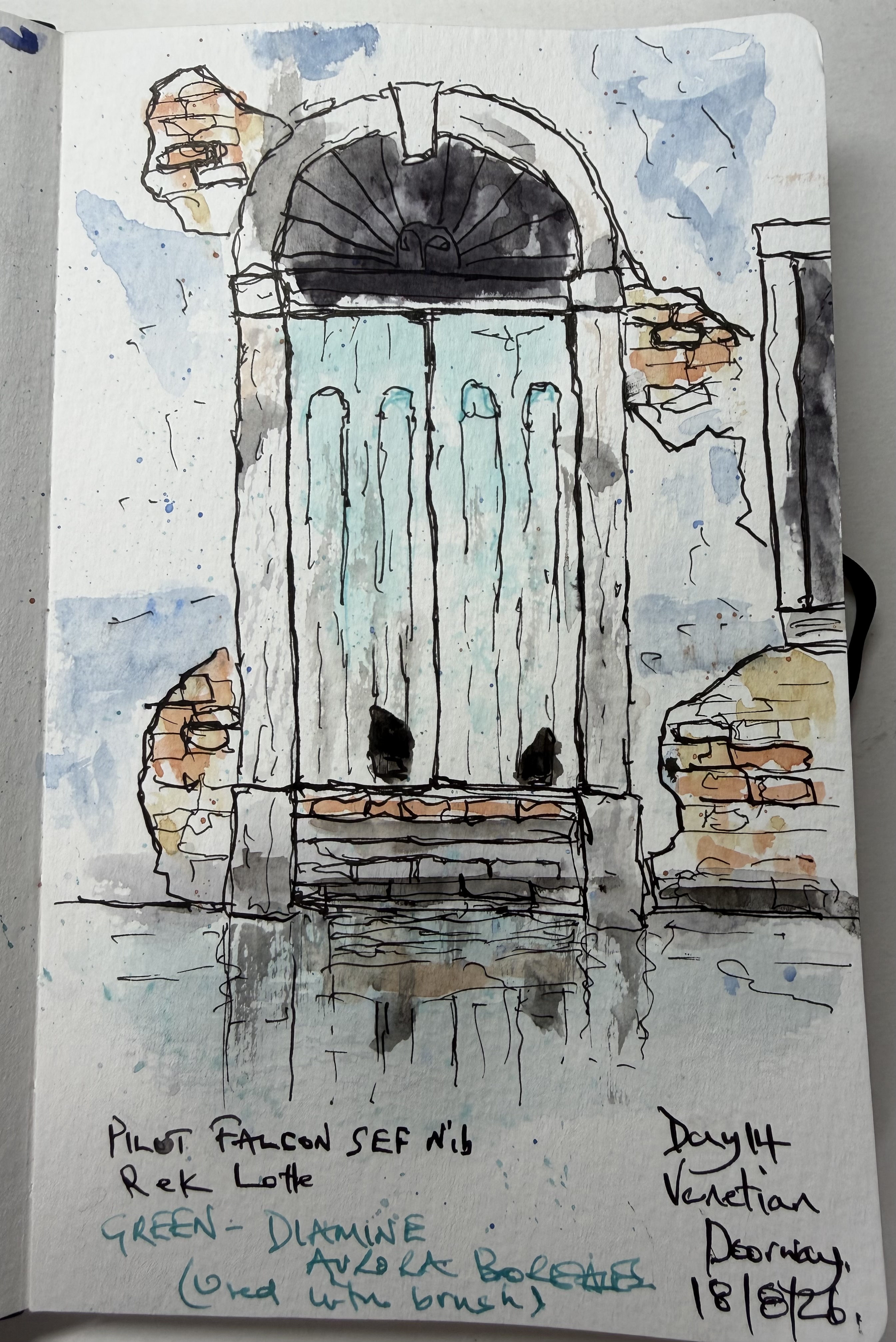
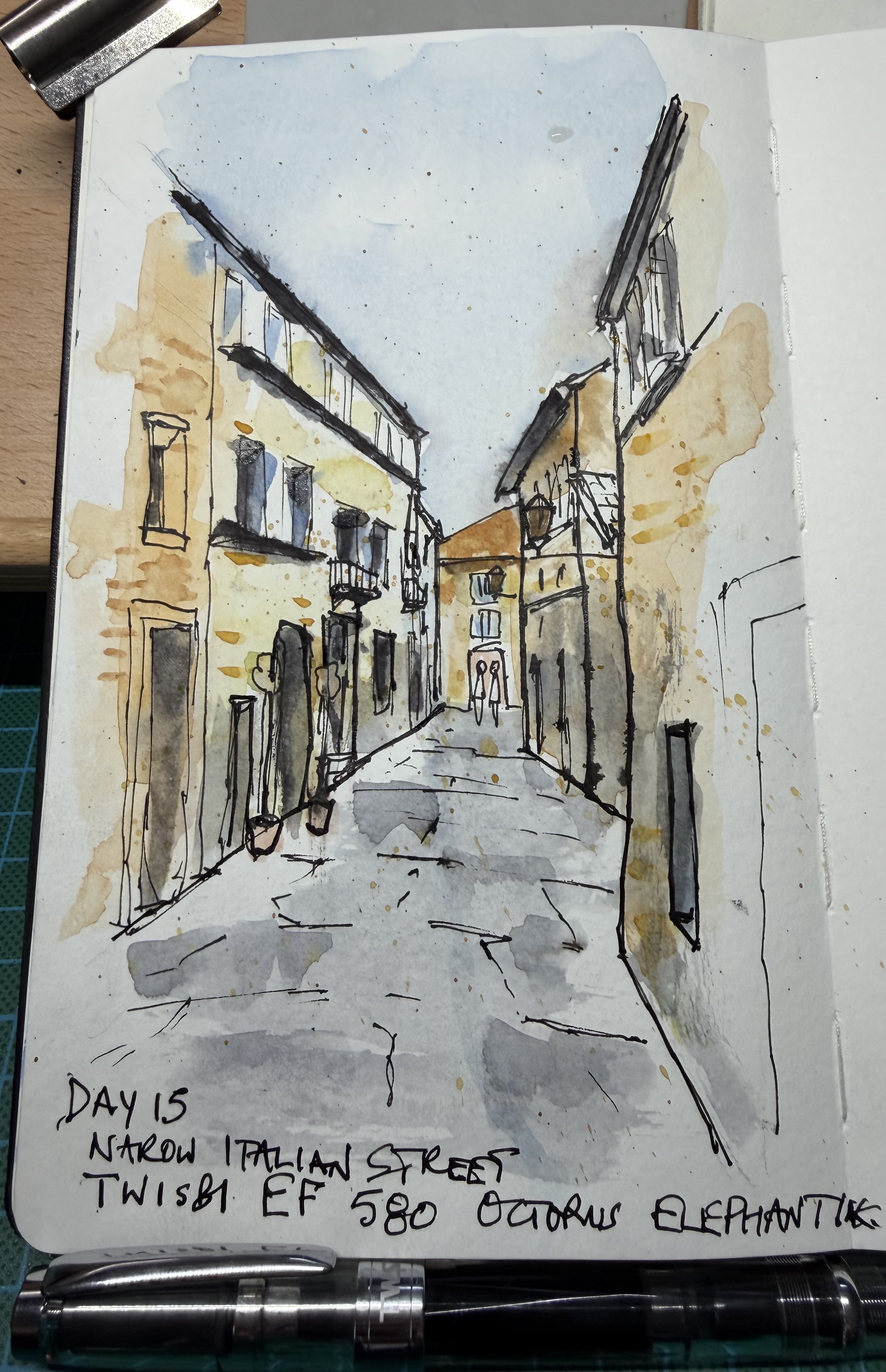
Day 1 to 11 · Day 12 · Day 13 · Day 14 · Day 15 · Day 16 · Day 17 · Day 18 · Day 19 · Day 20 · Day 21 · Day 22 · Day 23 · Day 24 · Day 25 · Day 26 · Day 27· Day 28 · Day 29 · Day 30
What I Learned
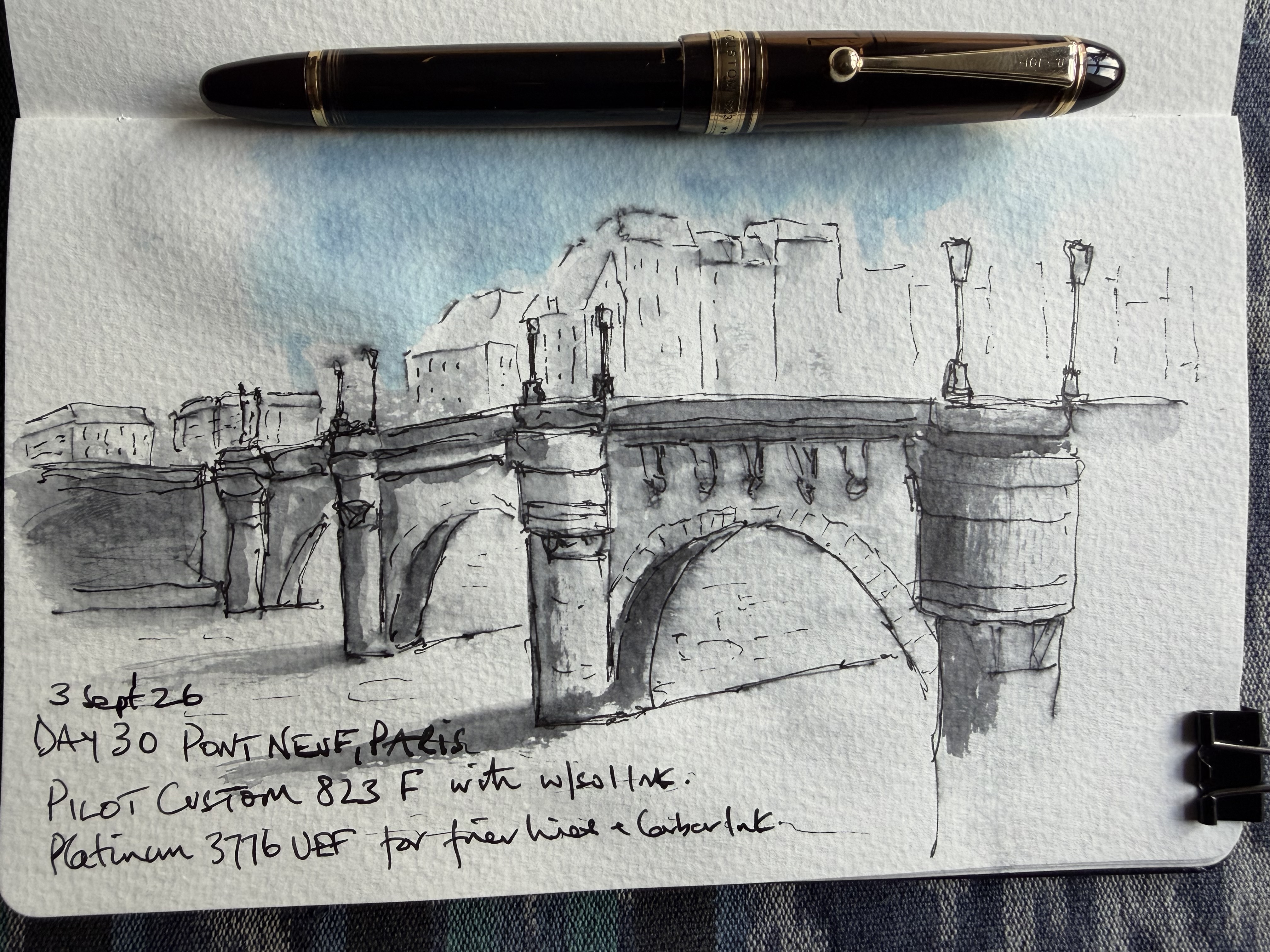
The biggest lesson from these thirty days is that drawing loosely does not simply mean drawing quickly or using fewer lines. I have learned that I actually like repeated and searching lines, provided they add character rather than simply correct a mistake. I have become more aware of line weight, of allowing some edges to disappear and of resisting the temptation to give every window, brick or architectural detail the same importance. Watercolour has probably taught me as much about restraint as it has about colour; sometimes a small wash is enough and sometimes the drawing is better left almost entirely to the ink. I have also discovered how much the choice of pen, nib and ink can change the character of a sketch, and that experimenting with them is part of the enjoyment rather than simply a means of finding the perfect tool. Perhaps most importantly, I am beginning to understand that a sketch does not have to explain everything. The final drawing reinforced something that I suspect will follow me into the next challenge: I do not necessarily need fewer lines, but I do need to become more selective about where I put them and learn when an area of the drawing has said enough. There is still a long way to go, but I am leaving this first challenge with something I did not really have when I started — the beginnings of a style that feels like my own, and a much clearer idea of the sort of drawing I want to make.

